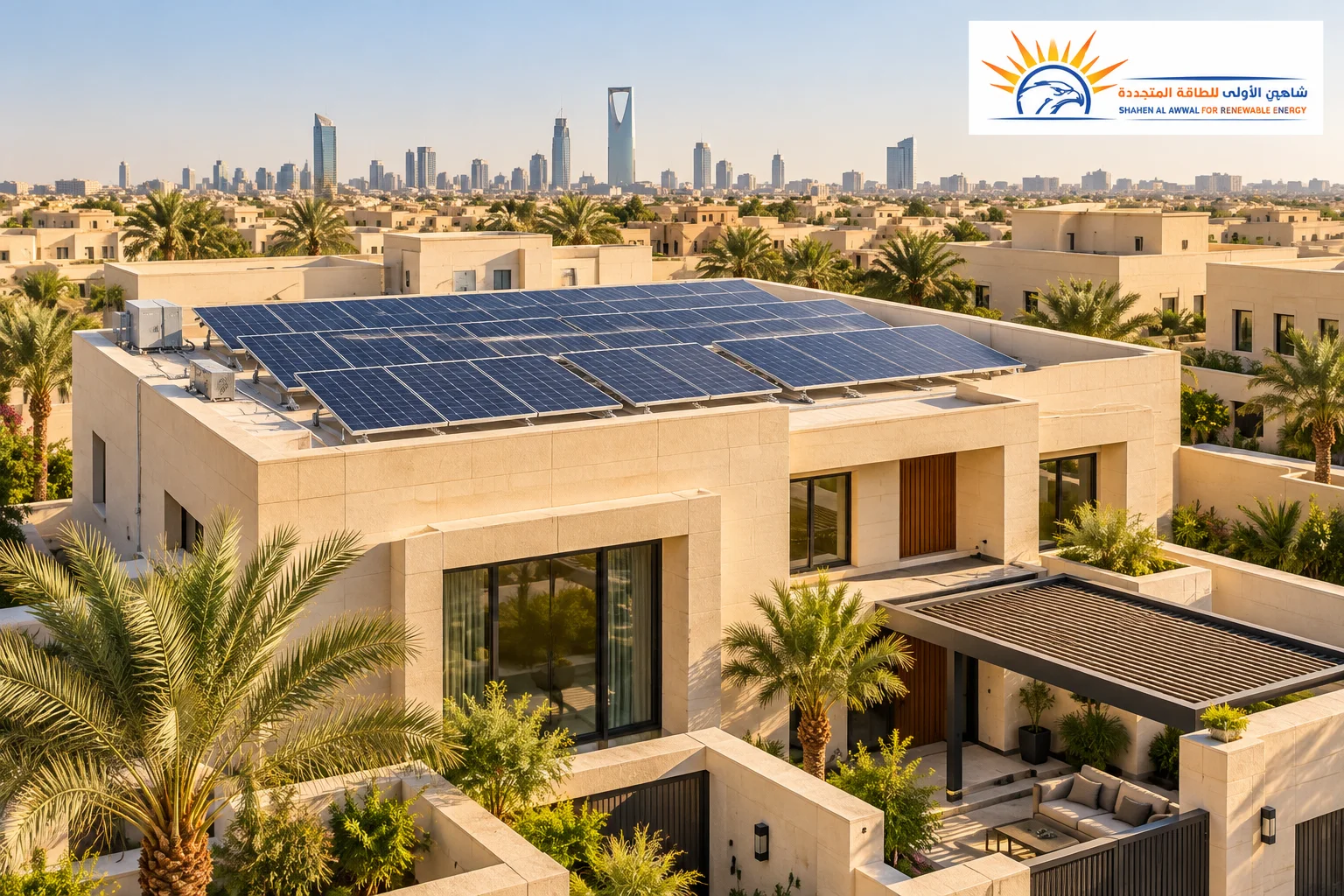
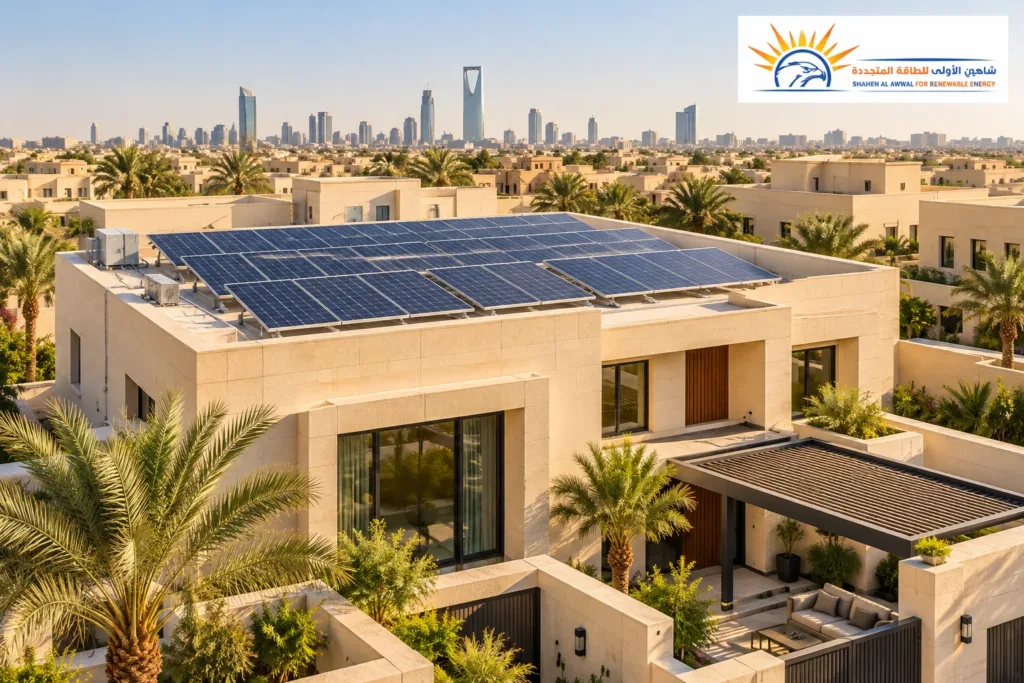
Home solar installation in Saudi Arabia has become a smart choice for many homeowners who want to lower their electricity bills and make use of the Kingdom’s abundant sunshine. With specialist companies such as Shahen Al-Awla, it’s now easy to install a safe and effective home solar system that suits each household’s needs. As reliance on renewable energy grows, a solar system is no longer a luxury but a long-term investment that delivers financial savings and protects the environment.
Why Is Demand for Solar Energy Growing in Saudi Arabia?
Saudi Arabia’s geographic location makes it one of the best countries in the world for solar energy, with long hours of sunshine all year round. That’s why home solar installation in Saudi Arabia has become a practical option for homeowners looking to reduce their reliance on the conventional grid.
High household electricity consumption, especially in summer because of air conditioning, also makes finding an alternative energy source important. This is where solar systems come in, providing clean, stable electricity and helping to lower monthly costs.
What Is a Home Solar Energy System?
A home solar system converts sunlight into electricity that can be used in the home to run appliances such as lighting, air conditioners, fridges, water heaters, pumps, and everyday devices.
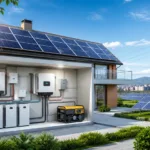
When considering home solar installation in Saudi Arabia, it’s important to understand that the system isn’t just the solar panels; it’s a set of elements that work together to produce electricity efficiently and safely.
Components of a Home Solar System
A home solar system usually consists of several main components, and the size of each depends on the home’s consumption, roof area, and available budget.
1. Solar panels
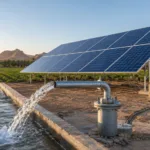
Solar panels are the core element of the system, capturing sunlight and converting it into electric current. Panels come in different ratings and quality levels, so choose high-efficiency panels suited to Saudi Arabia’s climate.
The type of panel directly affects the efficiency of home solar installation in Saudi Arabia, especially in areas with high temperatures.
2. The inverter
The inverter converts the direct current produced by the solar panels into alternating current that can be used in the home. Choosing a reliable inverter is one of the most important factors in the system’s success.
3. Solar batteries
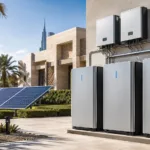
Some systems use batteries to store surplus electricity for use later at night or during power cuts. Batteries suit homes that want to rely more heavily on solar energy.
But not every system needs batteries; grid-tied systems can work without them, depending on the project.
4. Mounting bases and metal structures
Mounting bases are used to install the panels on the roof at a suitable angle to achieve the highest possible electricity production. They must withstand weather, wind, and heat.
5. Cables and electrical protection
These include cables, breakers, fuses, and protection devices. They are essential for keeping the system safe and protecting the home from electrical faults.
Types of Home Solar Systems
Before going ahead with home solar installation in Saudi Arabia, choose the right type of system for your home’s needs and how you use power.
Grid-tied system
This system works alongside the public grid: the home uses solar power during the day, and any surplus can be exported to the grid in line with the applicable regulations. It’s suitable for homes in cities and areas with grid service.
Off-grid system
This system suits farms, rest houses, and homes far from the grid. It usually relies on batteries to store energy for use when there’s no sun.
Hybrid system
A hybrid system combines solar power, the grid, and batteries, giving the user more flexibility and a more stable power supply.
Steps for Home Solar Installation
For home solar installation in Saudi Arabia to be done correctly, the project must go through several technical and engineering stages.
1. Studying electricity consumption
The process starts with analyzing electricity bills to find the average monthly and annual consumption. This helps determine the system capacity and the right number of panels.
2. Inspecting the roof
The technical team inspects the roof to check the available space, sun direction, shading, roof strength, and whether the structures can be mounted safely.
3. Designing the solar system
After the inspection, the system is designed in terms of the number of panels, inverter capacity, battery type if any, and cable and protection routes.
4. Choosing the right equipment
The success of home solar installation in Saudi Arabia depends heavily on the quality of the equipment used, so choose certified panels, inverters, and batteries with clear warranties.
5. Installation and wiring
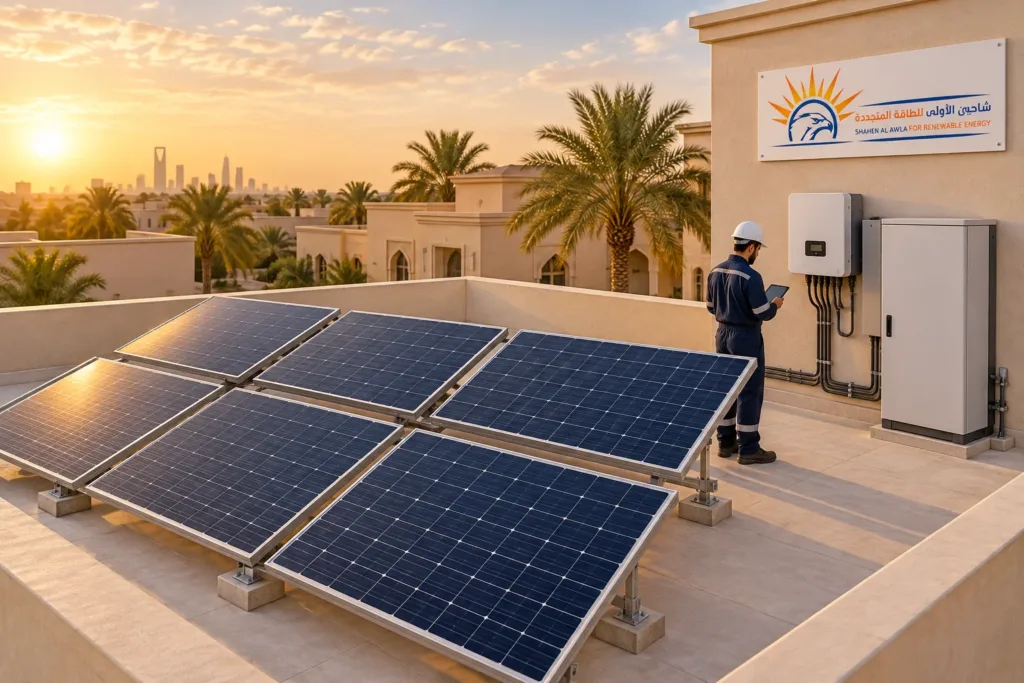
The panels are installed on the roof, the structures are fixed, cables are connected, the inverter is installed, and the system is connected to the electrical panel according to safety standards.
6. Commissioning and testing
Once installation is complete, the system is tested to confirm efficient operation, safe connections, and that production matches expectations.
7. Monitoring and maintenance
A solar system needs regular monitoring, panel cleaning, and checks on the cables and inverter to keep performing at its best.
Benefits of Home Solar Installation in Saudi Arabia
There are many benefits that make home solar installation in Saudi Arabia a smart decision for homeowners.
Lower electricity bills
The most direct benefit is relying less on conventional electricity, which helps lower the monthly bill, especially in homes with high consumption.
A long-term investment
Although the installation cost may seem high at first, a solar system delivers a long-term return by reducing monthly expenses.
Clean, environmentally friendly energy
Solar energy produces no harmful emissions, making it a sustainable choice that helps reduce your carbon footprint.
Higher property value
Homes equipped with solar systems can be more attractive to buyers because they offer economic and practical advantages.
Less reliance on the grid
With a suitable solar system, a home can rely partly or largely on an independent, renewable energy source.
Factors That Determine the Cost of a Solar System
The cost of home solar installation in Saudi Arabia varies from home to home based on several factors, and no fixed figure can be given without studying the site and consumption.
Electricity consumption
The more a home consumes, the larger the system it needs, with more panels and a higher-capacity inverter.
Type of system
A grid-tied system usually differs in cost from an off-grid or hybrid system, especially if storage batteries are involved.
Equipment quality
High-quality equipment may cost more, but it offers better performance, a longer life, and stronger warranties.
Roof area and type of installation
If the roof needs extra preparation or special structures, this can affect the final cost.
Batteries
Batteries are one of the components with the biggest effect on system cost, especially high-quality lithium batteries.
Is Solar Energy Suitable for Every Home?
Not all homes are alike, so each case should be assessed separately before home solar installation in Saudi Arabia. Some factors that determine whether a home is suitable include:
- Enough space on the roof.
- No significant shading from buildings or trees.
- The roof’s orientation and exposure to the sun.
- Average monthly electricity consumption.
- The available budget.
- Whether the customer wants a grid-tied, off-grid, or hybrid system.
How Do You Choose a Reliable Solar Installation Company?
Choosing the right company is just as important as choosing the equipment. Even the best panels and inverters may not perform as expected if they’re installed unprofessionally.
When looking for a provider for home solar installation in Saudi Arabia, pay attention to the following criteria:
Technical experience
Choose a company with clear experience in designing and installing solar systems for homes and facilities.
Product quality
Make sure the company supplies reliable panels, inverters, and batteries with clear warranties.
A study before the sale
A professional company doesn’t give a random quote; it starts by studying your consumption, inspecting your site, and designing the right system for you.
Compliance with safety standards
Solar systems rely on electrical connections, so they must be installed to precise technical standards to ensure safety.
After-sales service
Maintenance and technical support are among the most important elements of a system’s long-term success.
Why Shahen Al-Awla?
Shahen Al-Awla provides complete solar energy solutions, from assessing needs and designing the system to supplying components, installation, commissioning, and follow-up. This makes it a good choice for homeowners looking for professional, reliable installation.
Drawing on its experience in renewable energy, the company helps customers choose the most suitable system for their home, consumption, and budget, instead of offering generic solutions that don’t suit everyone.
So when you’re considering home solar installation in Saudi Arabia, working with a specialist such as Shahen Al-Awla helps you reduce mistakes and get the most from your solar system.
Tips Before Installing a Solar System in Your Home
Before deciding on home solar installation in Saudi Arabia, here are some important tips to help you choose the best system:
- Review your electricity bills for the last 12 months.
- Don’t just choose the cheapest system; compare quality and warranty.
- Make sure your roof has enough space for the required number of panels.
- Ask about the panel type, efficiency, and warranty period.
- Make sure the inverter is high quality, as it’s a key part of the system.
- Ask about maintenance and regular cleaning.
- Choose a company that provides a clear study before installation.
- Don’t rely on ready-made offers without an actual site inspection.
Mistakes to Avoid When Installing Solar Energy
Some mistakes can reduce system efficiency or increase costs later, so avoid them when carrying out home solar installation in Saudi Arabia.
Choosing a system smaller than you need
Installing a system that isn’t big enough for the home’s consumption leads to poor results and missed savings.
Neglecting inverter quality
The inverter is a sensitive, essential component, and choosing an unreliable type can cause repeated faults.
Installing panels in a shaded spot
Shading has a big effect on electricity production, even when it falls on only a small part of the panels.
Ignoring maintenance
Although solar systems don’t need complex maintenance, cleaning the panels and checking the system regularly keeps production efficient.
Relying on non-specialist technicians
Incorrect installation can cause poor performance or safety problems, so rely on a specialist company.
Maintaining Home Solar Systems
After home solar installation in Saudi Arabia, the panels need regular cleaning because of dust and sand, especially in desert conditions. It’s also a good idea to check the cables, breakers, and inverter regularly to make sure the system is safe.
Basic maintenance includes:
- Cleaning dust off the panels.
- Inspecting the mounting bases.
- Making sure no new shading has appeared.
- Reviewing inverter performance.
- Inspecting cables and protection devices.
- Tracking system production and comparing it with the expected rate.
Does Solar Installation Really Save Money?
Yes, solar systems can deliver clear savings on electricity bills, but the amount saved depends on system size, equipment quality, installation method, and the home’s consumption pattern.
The more accurate the system design, the better the results. That’s why home solar installation in Saudi Arabia shouldn’t be treated as simply buying equipment, but as an engineering project that needs a study, installation, and follow-up.
The Future of Home Solar Energy in the Kingdom
The Kingdom is moving strongly toward renewable energy, and with growing awareness of the importance of lowering costs and protecting the environment, reliance on residential solar systems is expected to increase in the coming years.
Continuous advances in panel, battery, and inverter technologies are also making home solar installation in Saudi Arabia more efficient and flexible than ever.
Home solar installation in Saudi Arabia is an important step for every homeowner who wants to lower their electricity bill and benefit from a clean, sustainable energy source. But the project’s success depends on the right study, suitable equipment, and professional installation.
With specialist companies such as Shahen Al-Awla, homeowners can get solar solutions designed around their actual needs, with technical support and expertise to help them achieve the best return on their investment.
If you’re thinking about a more economical and sustainable future, home solar installation in Saudi Arabia is a practical option worth studying, especially when it’s carried out by a specialist team that knows the Saudi market and the needs of homes in the Kingdom.